
Unraveling the Myths: The Truth Behind Interpol Arrest Misinformation
Misinformation can spread like wildfire, especially in the age of social media where news travels faster than fact-checkers can keep up. A recent example is the spread of false reports concerning Interpol arrest misinformation, which has raised significant concerns about the impact of such inaccuracies on public perception, international relations, and the credibility of law enforcement agencies.
Interpol, or the International Criminal Police Organization, serves as a global network dedicated to fostering cooperation among law enforcement agencies across borders. Its primary purpose is to assist in combating transnational crime, from drug trafficking to human rights violations. Due to its crucial role in global security, any rumors involving arrests made by Interpol can have far-reaching repercussions.
The Nature of Misinformation
Misinformation can be understood as incorrect or misleading information shared either intentionally or unintentionally. In many cases, such misinformation is exacerbated by sensationalism in media reporting, where headlines claim more than the stories actually deliver. This problem is particularly acute in a digital ecosystem inundated with information, where the line between fact and fiction can easily become blurred.
The case of false reports about Interpol arrests exemplifies this issue. False narratives can arise from poorly researched articles, social media posts, or even deliberate disinformation campaigns led by individuals or groups with specific agendas. The irresponsible sharing of such information can result in widespread panic or unjustified reputational damage to those involved.
The Consequences of False Arrest Reports

The fallout from misleading reports can be significant. When individuals are wrongfully connected to Interpol, it can tarnish reputations, endanger lives, and provoke diplomatic incidents between countries. For example, if a public figure is falsely reported as having been arrested by Interpol, it can lead to mass hysteria among supporters and opponents alike, potentially destabilizing political landscapes.
Moreover, law enforcement agencies may find their credibility questioned, especially in situations where the public perceives that they are unable to manage their narratives or communicate effectively. This erosion of trust can hinder cooperation between countries in sharing vital information or conducting joint operations, ultimately weakening the global fight against crime.
Case Studies: Impacts of Misinformation
There have been numerous instances where misinformation regarding Interpol arrests has led to significant consequences. In one notable case, fictional reports about a prominent political leader being arrested prompted protests and upheaval in their home country, leading to multiple government inquiries into the sources of misinformation.
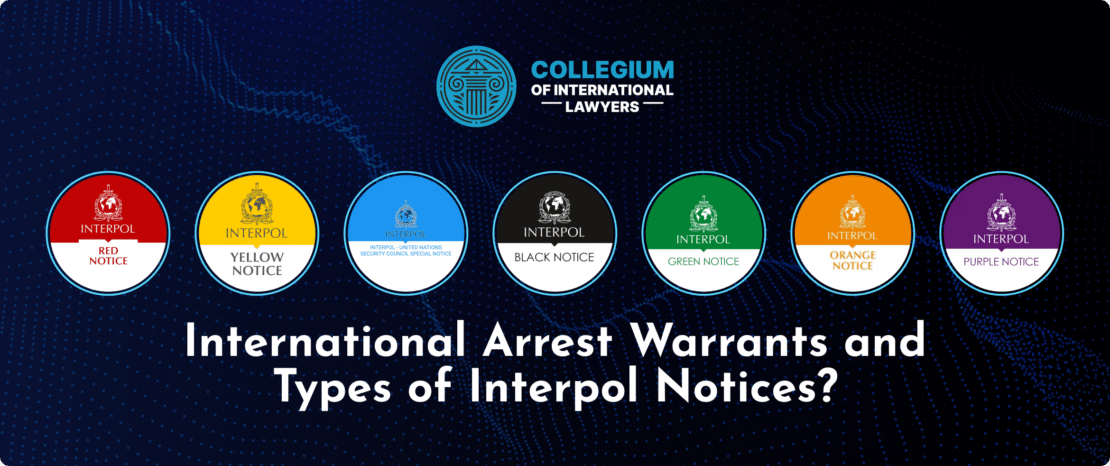
In another case, an individual was wrongfully associated with an Interpol Red Notice—a request to locate and provisionally arrest an individual pending extradition—due to a misunderstanding resulting from a social media post. The psychological toll on the person was immense, causing distress and panic among their family and community.
The Role of Media Literacy
In order to mitigate the effects of misinformation, enhancing media literacy is essential. Understanding how to discern credible sources from unreliable ones is a crucial skill in today’s information-driven society. Educational initiatives aimed at improving media literacy can empower individuals to critically analyze content before sharing it, thereby reducing the viral spread of misinformation.
Moreover, social media platforms also bear responsibility in managing the flow of information. Stricter regulations regarding the verification of facts before sharing can help curb the dissemination of false information. Algorithms that prioritize verified news sources over unverified ones can help guide users towards more reliable information.
The Importance of Fact-checking
Fact-checking organizations play a crucial role in providing accurate information to the public amidst a sea of conflicting narratives. These organizations analyze claims and provide evidence-based responses to determine their validity. In instances of misleading reports about Interpol arrests, the work of fact-checkers is invaluable in debunking false narratives and clarifying truths.
Engaging with fact-checkers can also encourage an environment where accuracy is valued over sensationalism. By promoting factual reporting, media outlets can restore public trust and work towards a more informed society that can navigate news and information responsibly.
Moving Forward: Challenges and Solutions
The fight against misinformation, particularly regarding sensitive topics like Interpol arrests, is ongoing and complex. While there will always be challenges in completely eradicating false narratives, advancements in technology and increased public awareness can significantly reduce their prevalence.
Engaging with the community through discussions, workshops, and campaigns focused on the importance of credible information can help foster a culture of critical thinking. Additionally, governments and international organizations must collaborate to establish clear guidelines that outline the processes for addressing misinformation, especially when it concerns law enforcement and public safety.
Conclusion
The spread of misinformation regarding Interpol arrests carries serious implications for individuals, communities, and nations as a whole. The responsibility to combat this phenomenon lies with everyone—from individuals discerning information on social media to international organizations fostering honesty and integrity. Awareness, education, and a commitment to truth can help dismantle the cycles of misinformation, paving the way for a safer and more informed global society.